
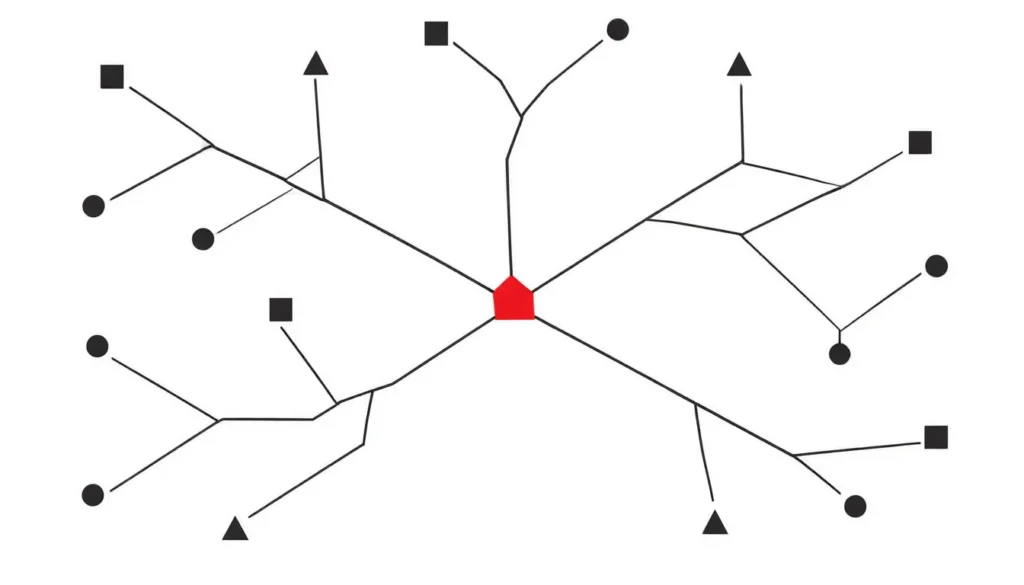
GitHub introduced Project HydraFusion on September 4, 2026: a research preview in GitHub Copilot CLI that builds a different execution workflow for each coding task instead of running every request through the same model.
How it decides what to run
Per GitHub’s own announcement, HydraFusion chooses between three execution patterns at runtime:
- Single — one selected model solves the task directly.
- Cascade — an efficient model drafts a solution, and a quality gate either accepts it or escalates to a stronger model.
- Critique — one model drafts a result, an independent critic model from a different family reviews it, and the original model revises once.
The pitch is straightforward: send simple tasks to cheaper models and reserve expensive, high-quality models for the work that actually needs them, without the developer having to pick a model manually.
The numbers GitHub is quoting
GitHub’s benchmark comparisons are against Claude Opus 5 as the baseline. On TerminalBench 2.1, the company reports HydraFusion improved verified task quality by 4.9 percentage points while cutting estimated workflow cost by 67%. On DeepSWE, a repository-level software engineering benchmark, GitHub reports HydraFusion came within 1.5 percentage points of Opus 5’s quality at 36% lower cost. A third benchmark, CheckpointBench, is reported at roughly parity on quality (-0.1 points) with a 65% cost reduction.
These are GitHub’s own reported figures from its announcement post. The Signal has not seen an independent, third-party reproduction of these specific benchmark runs.
Getting access
HydraFusion is available as a research preview to users on all GitHub Copilot plans through the CLI’s experimental mode — run /update, then /experimental on, then /model to select it. There’s no separate fee: usage is billed at each underlying model’s standard token rate as HydraFusion routes work between them.
What’s confirmed and what isn’t
- Confirmed: HydraFusion’s existence, access method, and pricing model, per GitHub’s own blog post.
- Confirmed: the three execution patterns as GitHub describes them.
- Not independently verified: the specific benchmark percentages, which come from GitHub’s own testing rather than a third-party evaluation The Signal has reviewed.